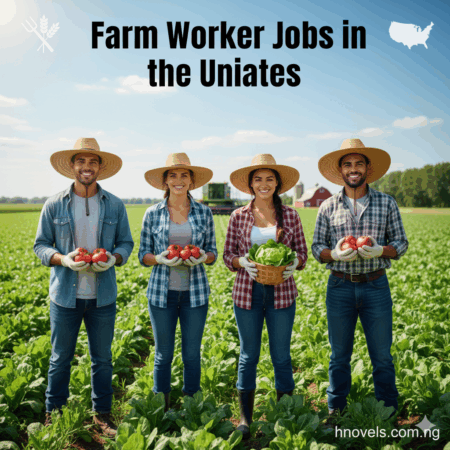
Farm Worker Jobs in the United States
The United States is one of the largest producers of agricultural products in the world. From vast grain fields in the Midwest to fruit orchards in California and vegetable farms in Florida, the demand for farm workers remains high. These positions provide opportunities for both domestic and international workers seeking stable employment, fair compensation, and valuable experience in agriculture.
This guide explores everything you need to know about farm worker jobs in the United States, including job types, salaries, visa options, working conditions, and application tips. It is designed for anyone considering a career in agriculture or looking to work abroad in a structured and legal environment.
Why Farm Worker Jobs Are Important in the United States
Farm workers play a crucial role in the U.S. economy. They plant, maintain, and harvest crops, care for livestock, and operate essential farm machinery. Without these workers, the country could not maintain its high levels of food production or export products globally.
Labor shortages have made the recruitment of foreign workers essential, especially during peak planting and harvesting seasons. The government facilitates this process through programs such as the H-2A Temporary Agricultural Visa Program, which allows farms to legally hire foreign workers when domestic labor is insufficient.
Farm worker positions not only provide financial stability but also offer hands-on experience, professional growth, and exposure to the latest agricultural practices.
ALSO READ: Teaching Jobs in Japan
Types of Farm Worker Jobs in the United States
Agriculture in the U.S. offers diverse roles based on crop type, location, and farm size. Each job requires specific skills, but many roles provide training for new workers.
Crop Farm Workers
Crop farm workers handle tasks related to planting, irrigation, fertilization, and harvesting. They ensure crops remain healthy and ready for market. Tasks include sorting, packaging, and loading produce for distribution.
Livestock Farm Workers
These workers care for animals such as cattle, pigs, sheep, and poultry. Their responsibilities include feeding, cleaning, monitoring health, assisting with breeding, and maintaining barns or pens.
Greenhouse and Nursery Workers
Greenhouse employees cultivate plants, flowers, and vegetables in controlled environments. They manage planting, pruning, watering, and monitoring plant growth. These positions are often available year-round, providing consistent work.
Equipment Operators
Farms use advanced machinery to increase productivity. Equipment operators manage tractors, harvesters, irrigation systems, and other tools. Skilled operators often earn higher wages due to their technical expertise.
Dairy Farm Assistants
Dairy farms hire workers to milk cows, maintain milking equipment, manage feeding schedules, and ensure animal health. These jobs are common in states like Wisconsin, Pennsylvania, and New York.
General Farm Laborers
General laborers perform multiple duties depending on the farm’s needs. This can include picking crops, cleaning, packaging, and supporting other farm staff.
Essential Skills for Farm Workers
Farm work is physically demanding and requires adaptability. Employers look for workers who can handle manual labor, operate machinery, and follow instructions safely. Important skills include:
-
Physical fitness for long hours of labor
-
Basic knowledge of farming techniques
-
Ability to use tools and machinery
-
Effective teamwork and communication
-
Attention to detail in handling crops or livestock
-
Basic English skills for safety and coordination
Experience in agriculture is an advantage, but many farms provide on-the-job training for newcomers.
Average Salary for Farm Workers in the United States
Farm worker salaries vary depending on the role, location, and level of expertise. On average, farm workers earn between $28,000 and $45,000 per year. Machinery operators and livestock specialists may earn more. Some employers also provide housing, meals, and health insurance.
Salary Breakdown by Job Type:
-
Crop workers: $14 to $20 per hour
-
Livestock handlers: $15 to $22 per hour
-
Equipment operators: $18 to $25 per hour
-
Dairy farm assistants: $15 to $22 per hour
-
Supervisors or farm managers: $45,000 to $70,000 per year
States with High Demand for Farm Workers
Some states offer more agricultural jobs due to climate, crop types, and industry size.
California
California is the largest producer of fruits, vegetables, and nuts. Farms in the Central Valley and the northern regions frequently hire seasonal and full-time workers.
Florida
Florida’s agriculture industry focuses on citrus, sugarcane, and vegetables. Seasonal workers are essential during harvesting periods.
Texas
Texas has a wide variety of agricultural operations, including livestock ranching, cotton, and grain production. The state offers opportunities for both skilled and general farm laborers.
Washington
Washington produces apples, cherries, and grapes. The region requires seasonal workers during peak harvest months.
North Carolina
North Carolina hires workers for poultry, tobacco, and sweet potato farms. Both domestic and foreign workers are in demand.
Midwest States
Iowa, Kansas, and Nebraska form the “breadbasket” of America, producing corn, soybeans, and wheat. Large-scale farms in these states employ equipment operators and crop laborers.
Wisconsin
Wisconsin is famous for dairy farming. Many workers are needed for milking, feeding, and barn management.
Visa Programs for Foreign Farm Workers
Foreign workers can legally work in the U.S. agriculture sector through the H-2A Temporary Agricultural Worker Program.
How the H-2A Visa Program Works
-
Employers submit a labor certification request to the Department of Labor.
-
The employer files a petition with the U.S. Citizenship and Immigration Services.
-
Once approved, workers apply for the H-2A visa at a U.S. embassy or consulate.
-
Workers travel to the U.S. to fulfill seasonal or temporary contracts, usually up to one year.
Benefits of the H-2A Program
-
Legal work authorization
-
Guaranteed minimum wage
-
Free or affordable housing provided by employers
-
Travel assistance to and from work
-
Possibility of returning for multiple seasons
The H-2A visa ensures that farm workers are legally employed and receive protection under U.S. labor laws.
How to Apply for Farm Worker Jobs in the U.S.
Step 1: Research Employers
Use verified websites to find legitimate job openings. Recommended platforms include:
-
USAFarmJobs.com
-
SeasonalJobs.dol.gov
-
AgCareers.com
-
Indeed.com (Agriculture section)
Step 2: Prepare Your Resume
Include relevant experience, physical capabilities, technical skills, and willingness to work long hours. Highlight any machinery operation, livestock care, or crop-handling experience.
Step 3: Submit Applications
Apply directly through employer websites or job portals. Include required documentation and ensure your application is complete.
Step 4: Attend Interviews
Employers may conduct online interviews or phone screenings. Show professionalism, readiness for labor-intensive work, and enthusiasm for farm employment.
Step 5: Complete Visa Processing
Once hired, employers guide workers through visa applications, including H-2A forms and labor certification documents.
Step 6: Travel and Begin Work
After visa approval, workers travel to the U.S. Some employers provide housing and local transportation to ensure smooth settlement.
Working Conditions and Lifestyle
Farm work can be challenging due to long hours and exposure to weather conditions. However, many farms provide accommodation, meals, and supportive work environments. Workers often live on or near the farm, which fosters a sense of community and teamwork.
Typical Work Schedule:
-
8 to 10 hours per day
-
5 to 6 days per week
Work Environment:
-
Outdoor fields, greenhouses, or barns
-
Seasonal weather fluctuations
-
Physically demanding tasks
Farm workers gain practical knowledge about modern farming methods, sustainable agriculture, and teamwork.
Benefits of Farm Worker Jobs in the U.S.
-
Job stability with seasonal and year-round opportunities
-
Legal work status through visa programs
-
Competitive wages with potential bonuses
-
Hands-on experience in agriculture
-
Opportunities for professional growth and skill development
-
Pathways to long-term employment or permanent residency
Farm work provides both financial and professional benefits, making it a desirable option for local and international workers.
Challenges and How to Overcome Them
Challenges include long hours, physically demanding labor, and adaptation to rural environments. Seasonal work may also require travel and temporary relocation.
Tips for Success:
-
Maintain physical fitness and endurance
-
Dress appropriately for weather conditions
-
Follow safety protocols strictly
-
Communicate effectively with team members
-
Use free time to explore local communities and nature
Persistence, discipline, and adaptability help workers thrive in the U.S. agriculture sector.
Conclusion
Farm worker jobs in the United States provide opportunities for stable income, professional growth, and cultural exposure. With the ongoing demand for labor in agriculture, foreign and domestic workers can find rewarding employment while gaining valuable experience.
These positions offer hands-on work, visa sponsorship, and the chance to contribute to a critical industry that sustains food supply in the U.S. and globally. Whether you aim for seasonal work or a long term career in farming, the U.S. agricultural sector provides a pathway to a secure and fulfilling future.